© Giane's Garage - Tutti i diritti riservati 2023
Collezione Francesco Gianesella
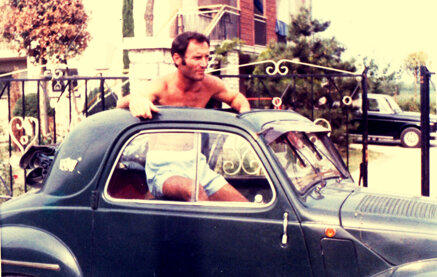
The beginnings
The story of our father Francesco Gianesella, as a passionate restorer of vintage cars, began in 1972 with the purchase of his first Fiat 500 C "Topolino". In Rovigo he was one of the founders of the first clubs for vintage car enthusiasts and his passion for these nice FIATs grew until in 1976 he found a 1949 Fiat 500 B "Topolino" in an old barn.
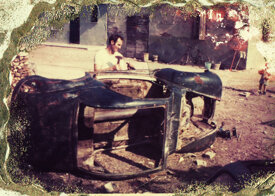
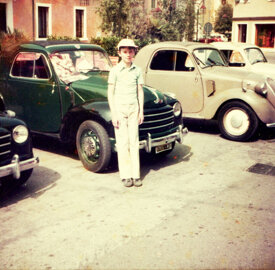
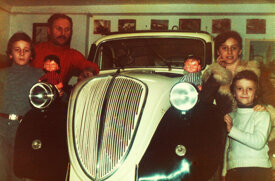
Our Dad with the Fiat 500 B Topolino, restored. Me my brother Stefano, my sister Cristina . Michael was yet to be born...
Me and my first Topolino meet
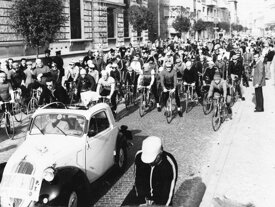
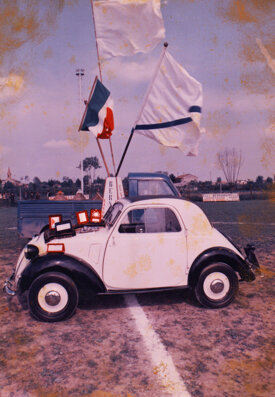
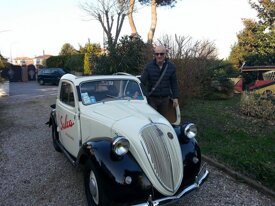
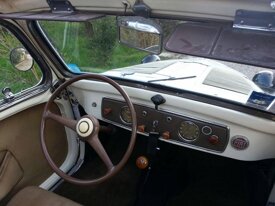
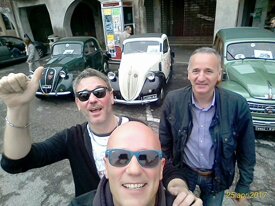
The Topolino B was born in one colour. My father decided to make it two-tone, to satisfy our mother's taste....... the next restoration will in fact bring it back to its original colour.
me and my brothers Michele and Stefano, at the Rally with the Friends of Vintage Cars in Lendinara.
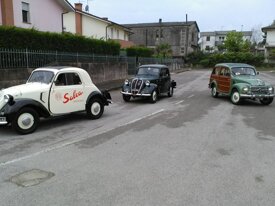
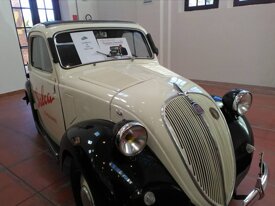
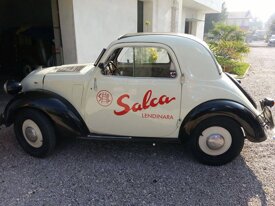
off to a meeting
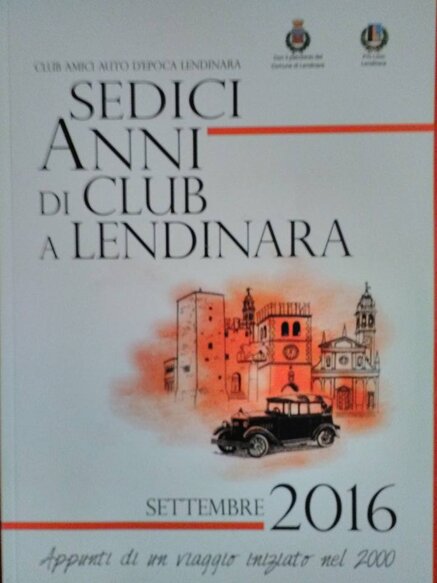
The Amici Auto d'Epoca of Lendinara (RO), dedicated a beautiful memory of Francesco, in the book that told the history of the Club.
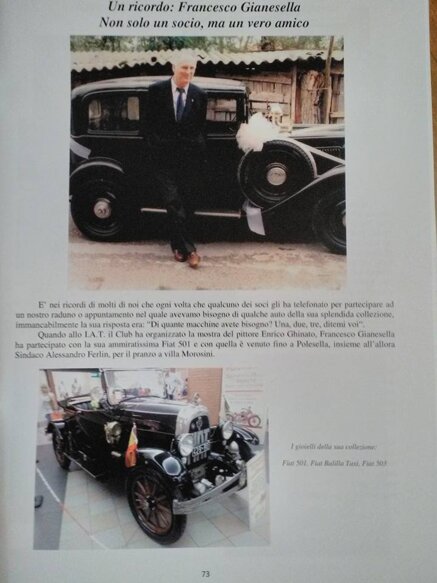
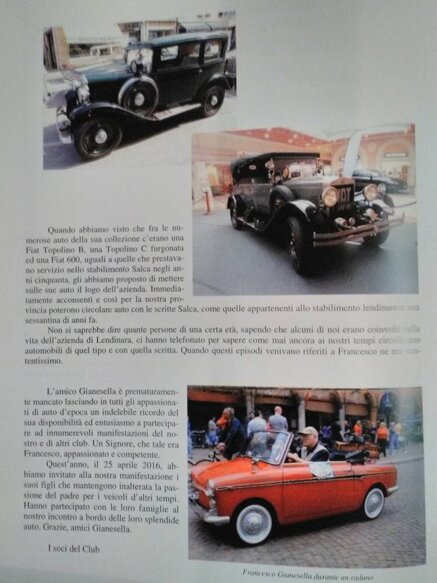
He was able to carry out a large part of the restoration on his own since in his youth he had worked as a mechanic in some workshops in the area, or he relied on various craftsmen in the area (mechanics and coachbuilders) who over time became friends, thanks also to the friendly and generous personality of Francis. Those were the years in which cars were found in old barns, where it was possible to buy them at reasonable prices. Francesco was often heard by those who did not share his passion say: "Cossa ghe ne feto de tutti chei ferroveci? (What do you do with all those scrap iron?), but he followed his passion and continued to go to junkyards, pieces of first replacement for the Fiat Topolino but then extending the recovery to the Fiat 508 "Balilla" and everything that belonged to the world of the past, objects, furniture, radios and gramophones.
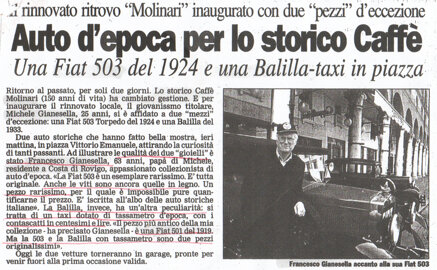
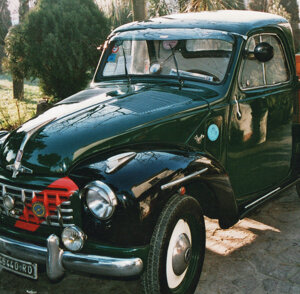
Fiat 500 C Autocarro
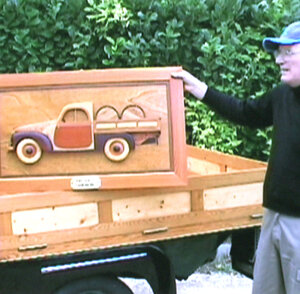
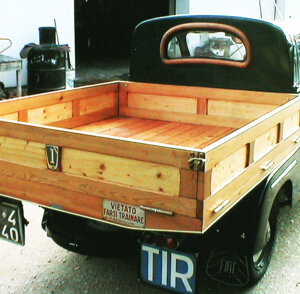
In 1982 he restored a Fiat 500 C Topolino which after the war (as often happened due to lack of commercial vehicles) was cut up and transformed into a truck. This was the means that Francesco used every day to go to work.
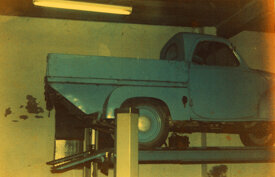
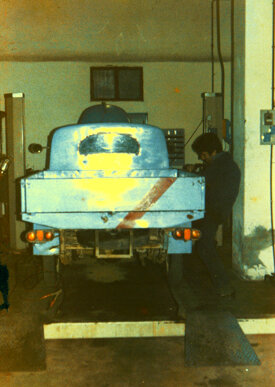
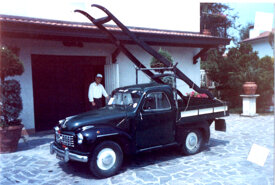
the Topolino Truck carrying the chassis of a Fiat 503 torpedo returning from painting. In the background my grandfather Gino Gianesella, the Pope of Francis who often said: "lazzaron, dove vetto con quel ferriveci" translation from the strict Veneto: "lazzerone dove vai con quel ferrivecchi". But who then enjoyed himself so much when Francesco took him to see the cars he had being restored and took him for a nice ride.
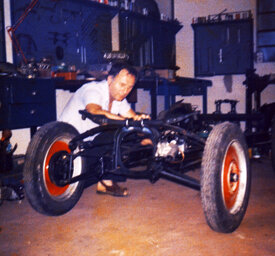
Tracked down the Fiat 500 C truck immediately in the workshop to start the study for the restoration
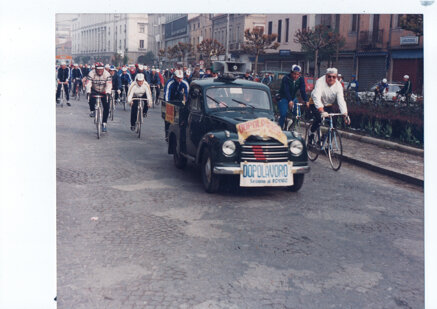
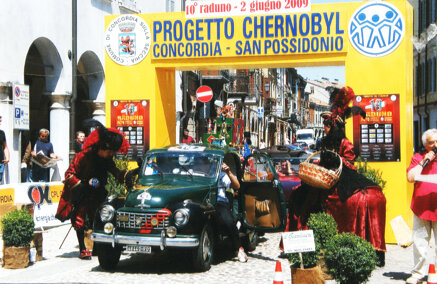
At the meeting in Concordia Dall'Amico Mario Neri.
Francesco was a postman by profession at the Rovigo central post office, and in his spare time he always let himself be involved in after-work activities.
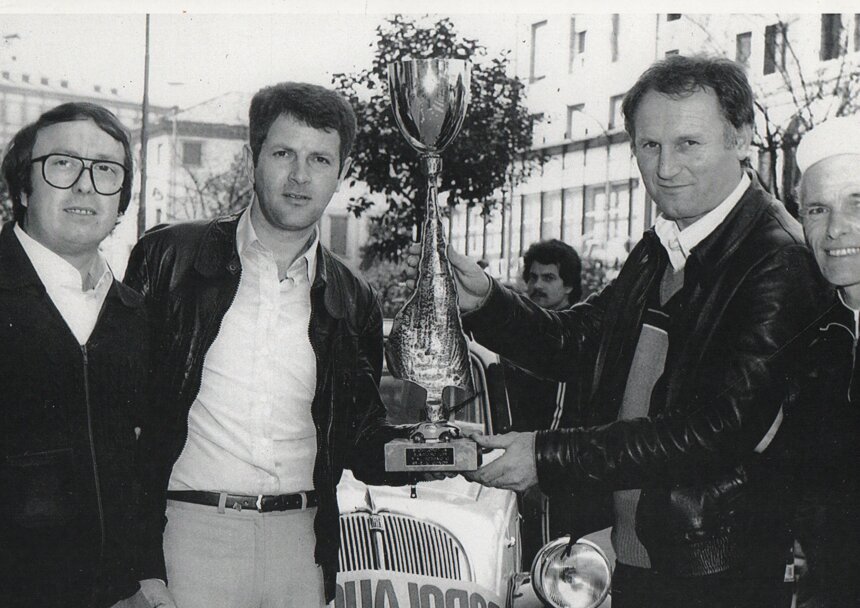
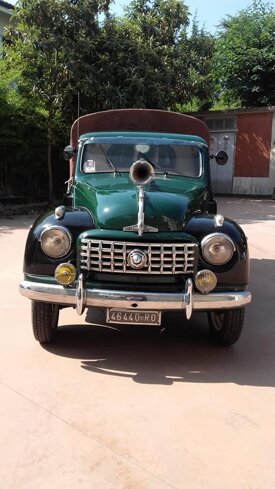
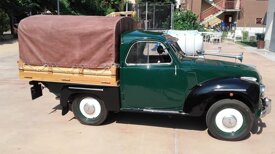
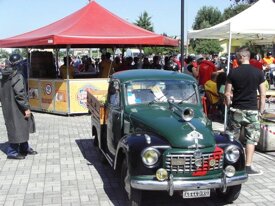
After the war, due to lack of commercial vehicles, he used to take a car, in this case a Fiat Topolino, cut it and recreate the body transforming it into a work vehicle. Then in some cases the vehicle was re-registered as a truck and was marked in the booklet of the transformation with the dates. in this way the vehicle could circulate regularly. This is also the case of our Fiat 500 C Autocarro.
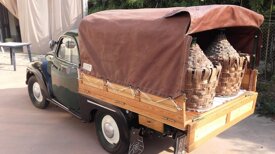
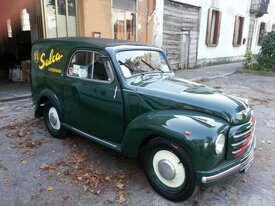
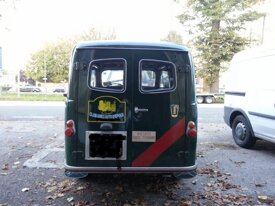
Francesco used his fiat 500 c open truck on a daily basis. and he didn't let this Fiat 500 C closed truck from 1951 get away as soon as he met him
During the last restoration, in the 90s, the Fiat 500 C Autocarro was embellished with a wooden box and sides.
Fiat 508 "Balilla 3M"
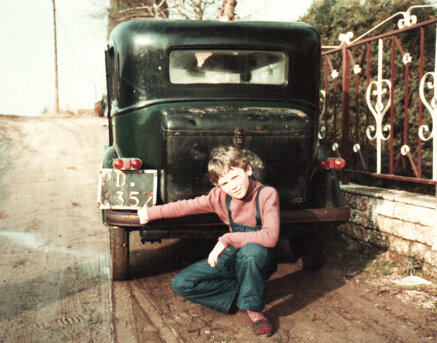
In 1984 he came across a 3-speed Fiat Balilla, he found it in Chioggia, it had been standing still for years, the last period it was used to advertise a dance hall (Dancing Cichito). In this photo, the youngest of the Michele brothers which welcomes the arrival at home of the 1933 3-speed Balilla
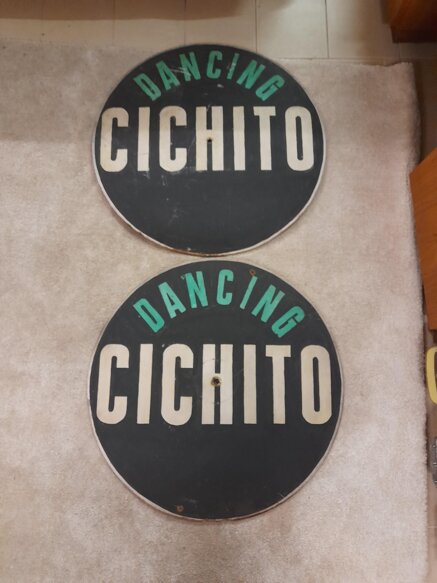
the advertising signs of the Dancing Cichito of Sottomarina. they were mounted on the two side spare wheels.
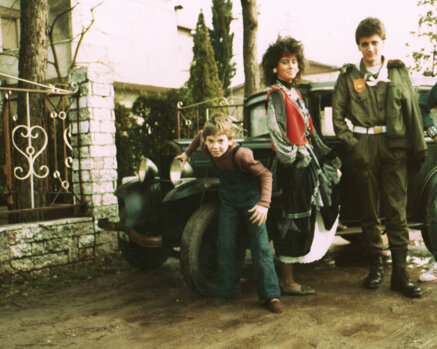
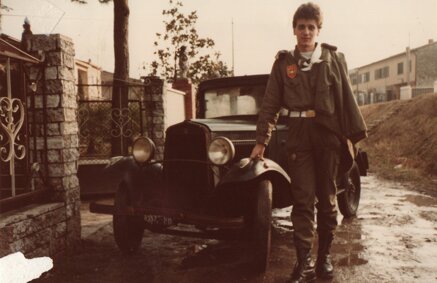
It was during the Carnival of 1984, Francesco brought home the three-speed Balilla that he had found in Chioggia. My brothers Cristina, Stefano and Michele.
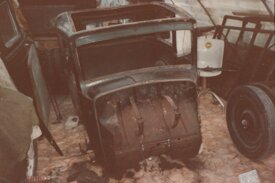
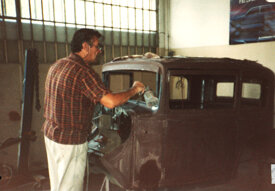
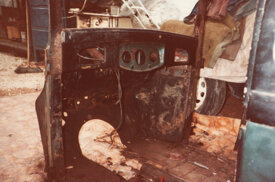
Disassembly of all parts.
Removal of old paint done by hand.
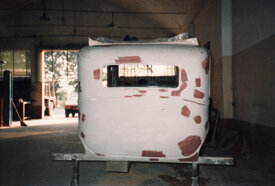
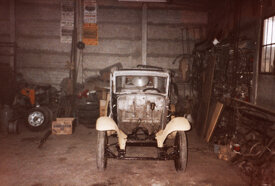
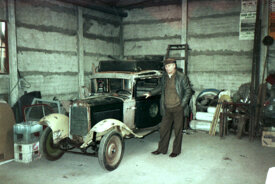
Removal and replacement of sheet metal damaged by rust.
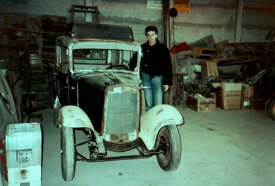
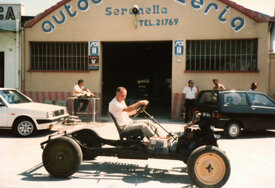
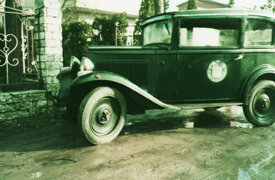
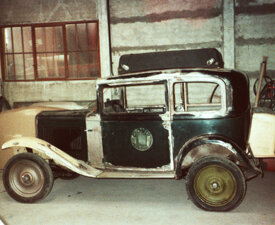
My brother Stefano followed the ongoing restoration of the 3-speed Balilla
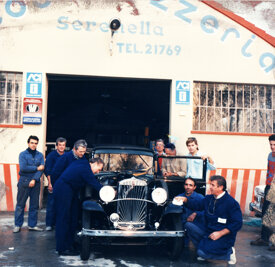
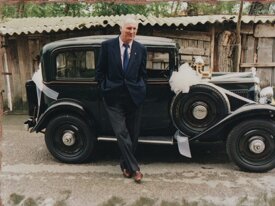
Restoration Completed
With all the Friends of Serenella Bodywork. On the left, intent on fine-tuning the engine, the mechanical brothers Mario and Gino Gaffeo. Do you notice the young Biondino next to my Dad?..... Massimo Biscaro, very young, who had already been following Francesco in his restorations since the 1980s, becoming himself a great mechanic passionate about vintage engines. To this day Massimo continues to assist us, with his Precious experience, in the maintenance of the Francesco Gianesella Collection.
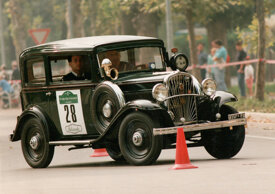
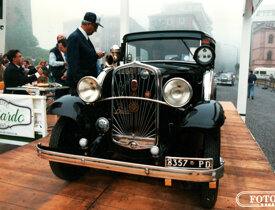
We leave for the first meeting with the Balilla.
Massimo Biscaro no longer has thick blonde hair, but remains a pillar of GIANE'S GARAGE.
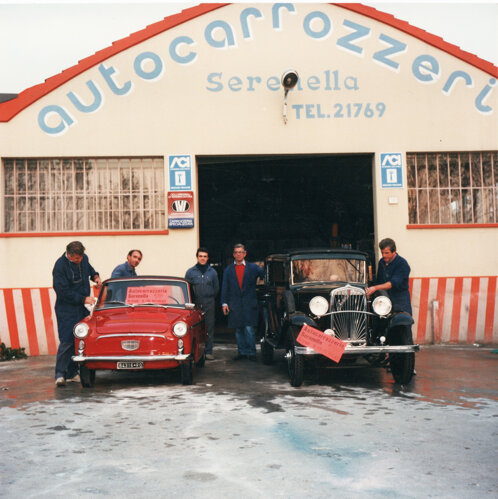
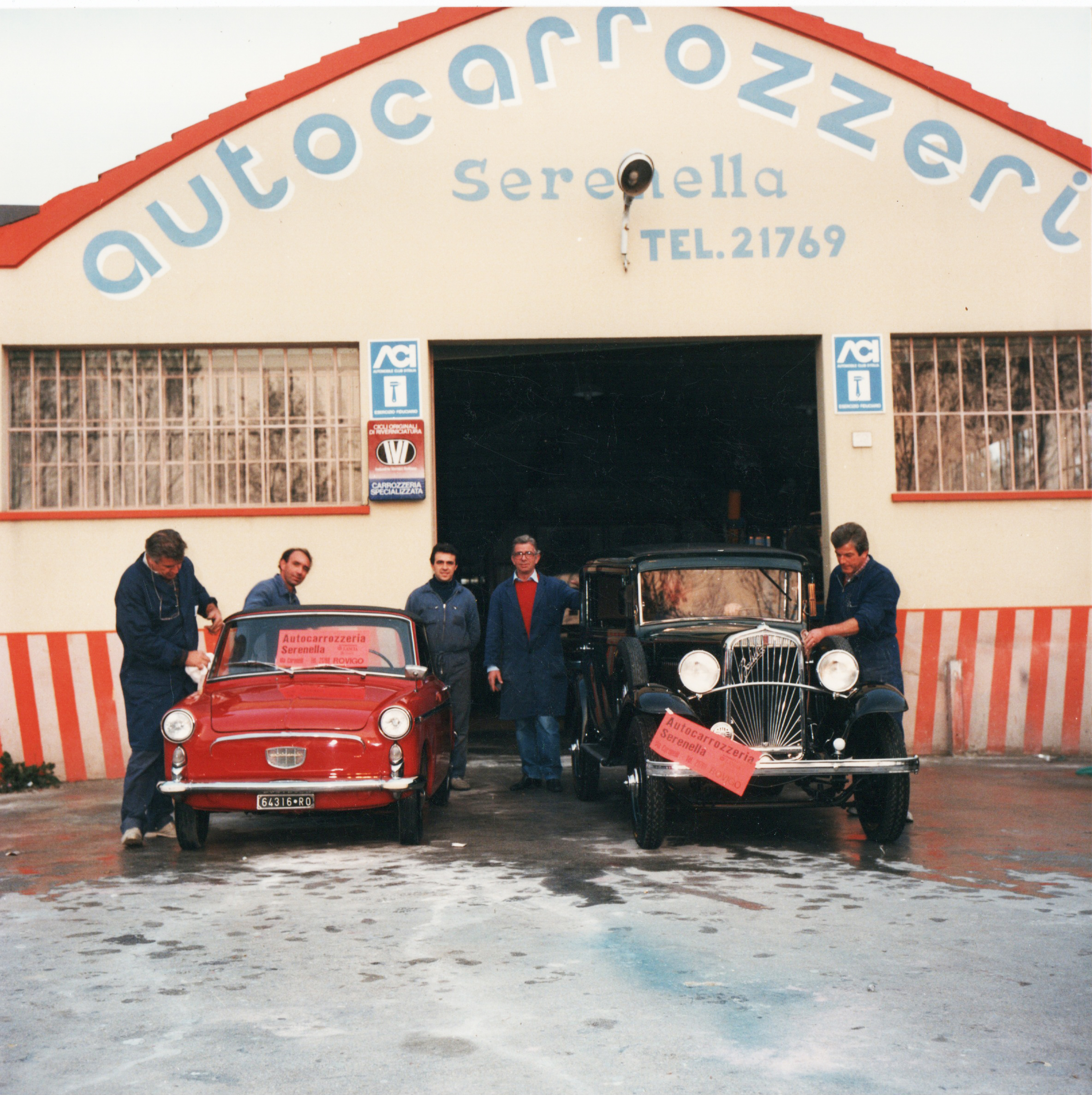
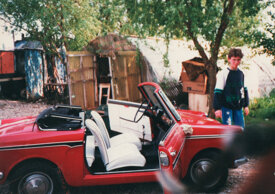
Autobianchi Bianchina Cabriolet del 1967
in 1986 Francesco met a 1967 Bianchina Cabriolet, certainly the most "frivolous" version of the small Autobianchies, as such, it was enriched by a greater number of chrome plating and shiny profiles. It is the rarest version of about 3150 units produced and the most sought after by enthusiasts. This car was used by my brothers and I and was restored 2 times over the years.
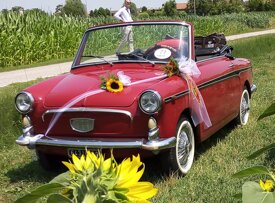
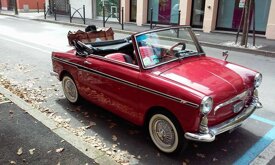
A total of 2750 examples of the F convertible were produced, all assembled by 1968 even if some cars were registered in 1969.
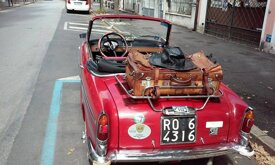
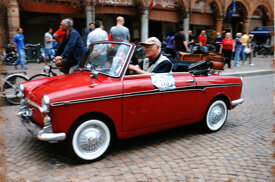
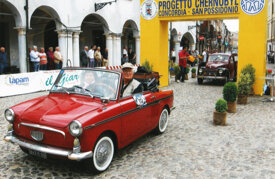
In Concordia at the meeting organized by my friend Mario Neri, a great enthusiast and collector of vintage cars.
The Bianchina cabriolet project dates back to 1959 and bears the signature of the engineer Luigi Rapi, who moved from the special bodywork department of Fiat to Autobianchi. It is a controversial project, not shared by all the managers of the Milanese company, albeit supported by the general management. The first convertible example dates back to 1958: a hood is housed on a convertible body cut into the upper pavilion. However, this prototype, requested by an eccentric US billionaire, was not followed up. Only the following year Luigi Rapi will study the bodywork from scratch to create a real cabriolet capable of leaving the assembly line.
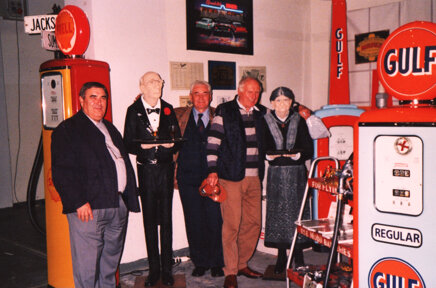
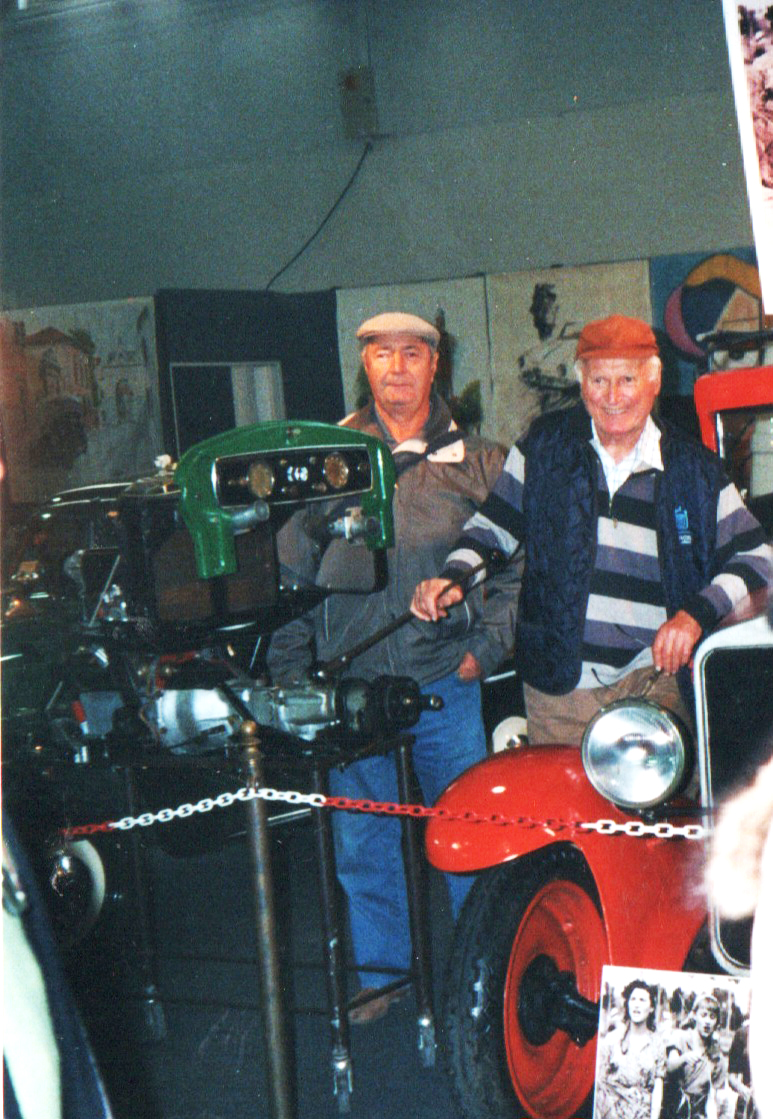
always looking for objects from the past Francesco, with Mario Neri and Franco Pavanello. Three Great Vintage Car Collectors.
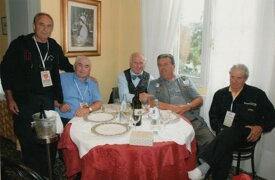
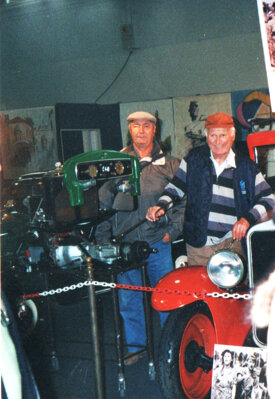
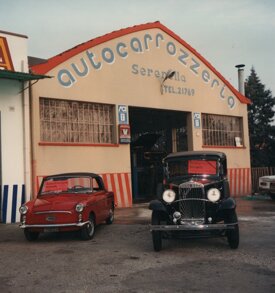
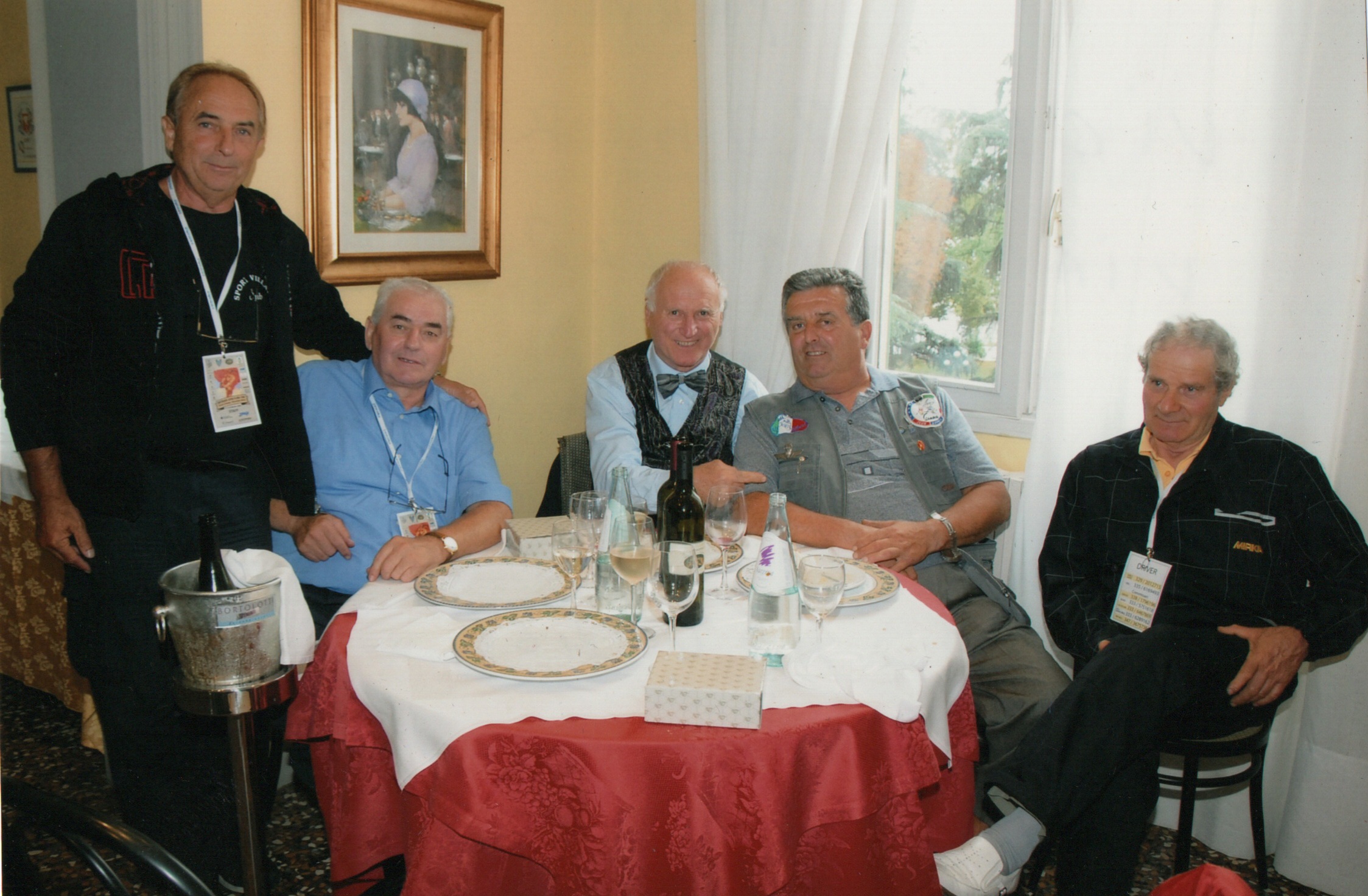
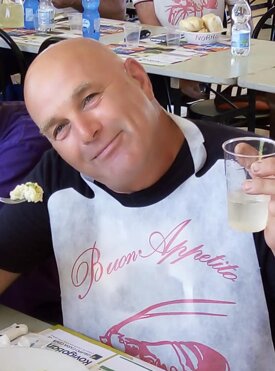
Every self-respecting Gathering always ends up at the table in company.
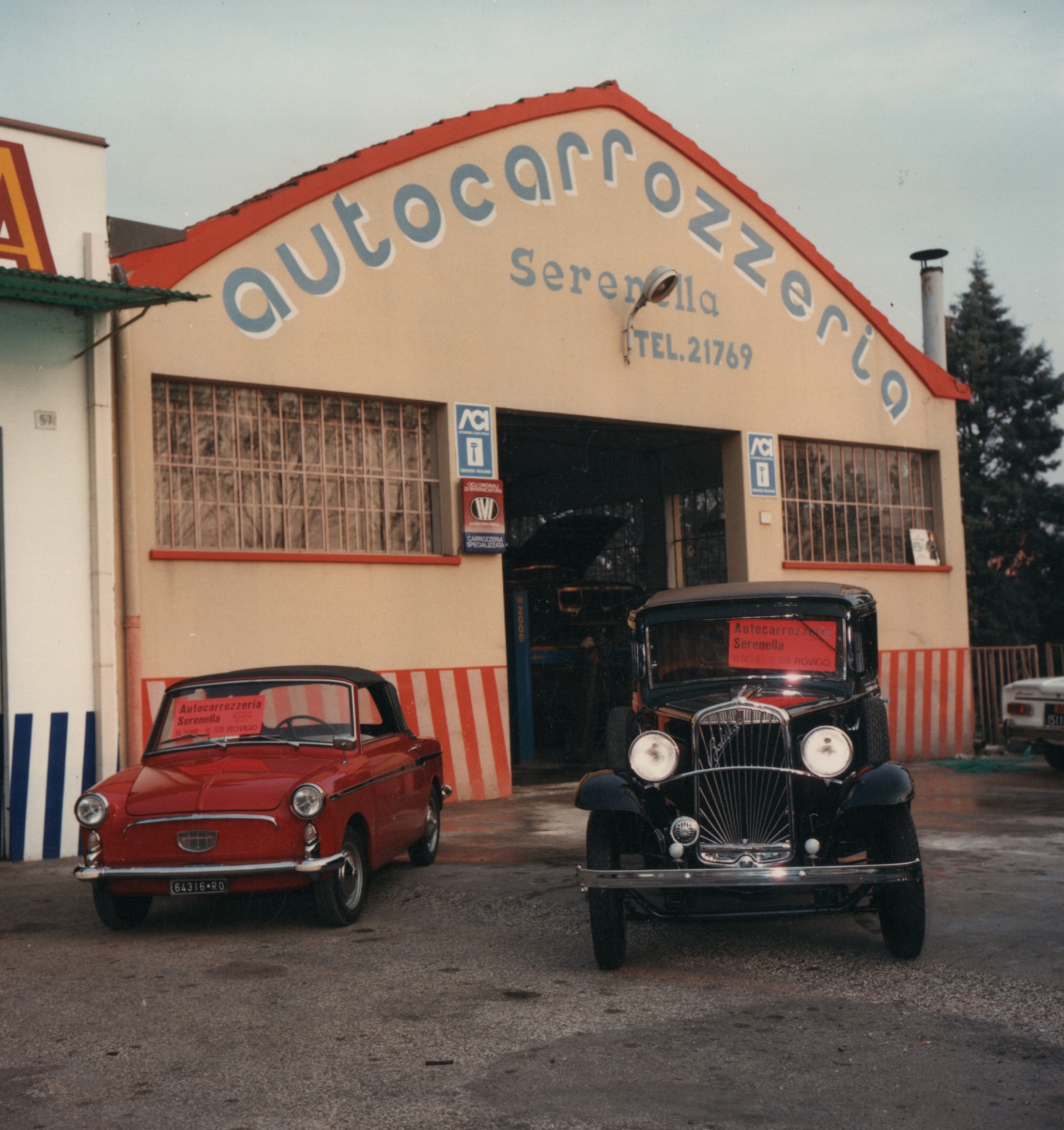
The restoration of the Bianchina Cabriolet has been completed with the Friends of Carrozzeria Serenella.
Francesco and Nerino Bazzan, great friend and companion of gatherings and healthy meals in company.
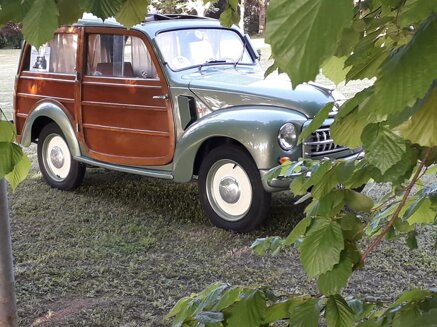
Fiat 500 C Giardiniera
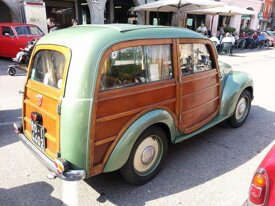
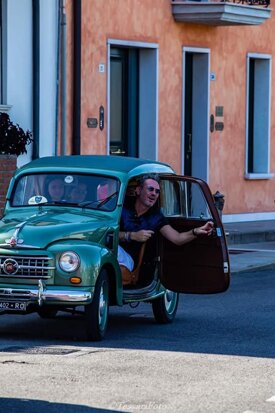
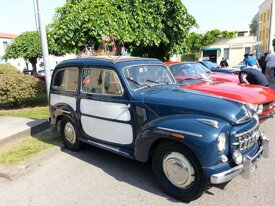
In 1990, after years of searching, he managed to find a Fiat 500 C Giardiniera, a rare car due to the wooden doors and back, therefore very delicate and subject to easy degradation over the years, there were few examples that could be found.
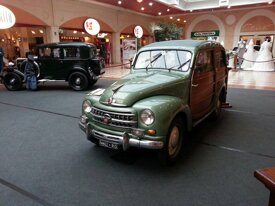
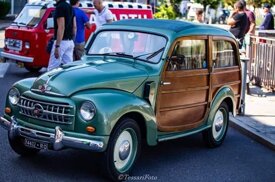
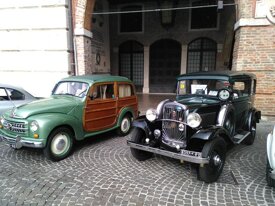
It was characterized by luxurious sides made with strips of ash and masonite, in the style of American woodies and could be embellished with metallic shades. The "Giardiniera" was the first station wagon type car in the world built in large series. The original term "Giardinetta" could not be used because it was deposited by Carrozzeria Viotti and the term "Giardiniera" was chosen which, in addition to having similarities with the custom-built di Viotti, took up the homonymous denomination of the wagons on which the greengrocers carried their products to the markets, still in the post-war period.
Fiat 500 C Belvedere del 1953
In 1951, the "Giardiniera Legno" abandoned the sides in wood and hardboard, hand-built by the Special Carrozzerie Section, in favor of the "Belvedere", with new pressed metal sheets. The innovation brought great practical benefits and sales increased considerably. Francesco could not fail to have the sheet metal version in his collection.
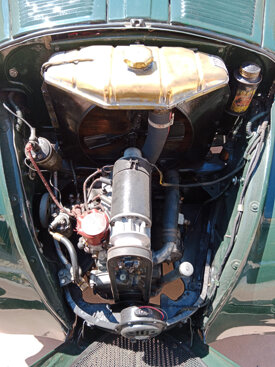
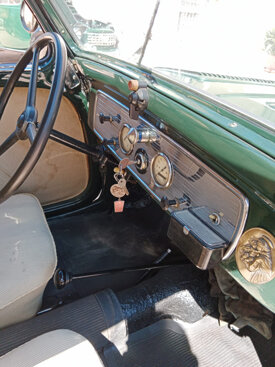
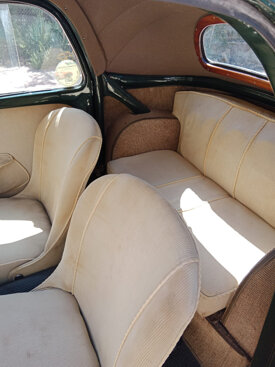
Fiat Topolino A del 1947 tetto rigido
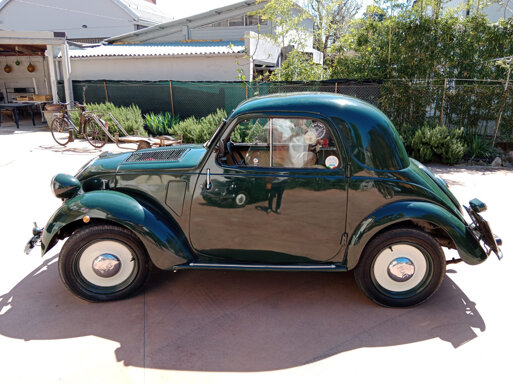
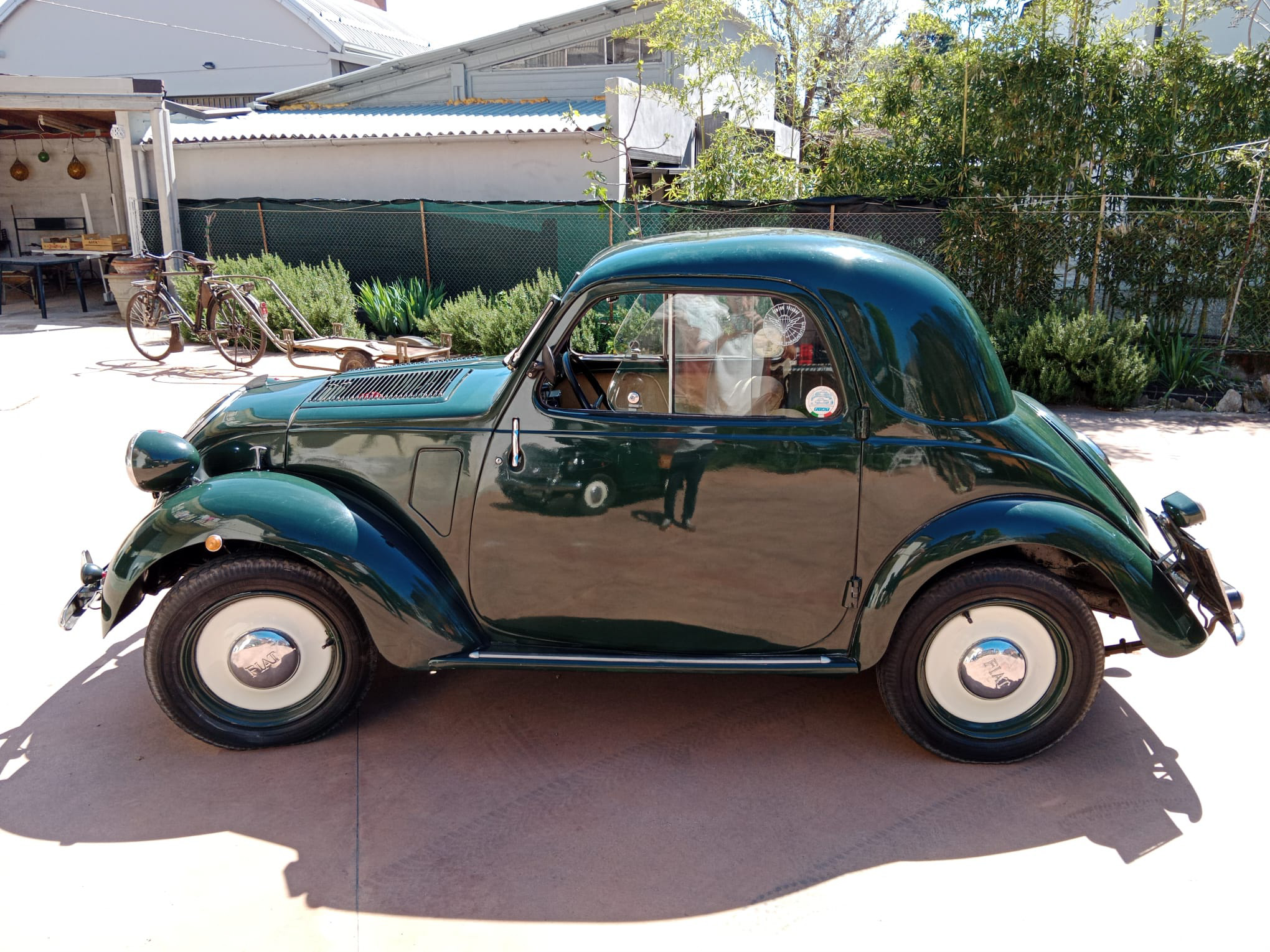
In 1992 Francesco completed the restoration of a 1947 Fiat 500 A
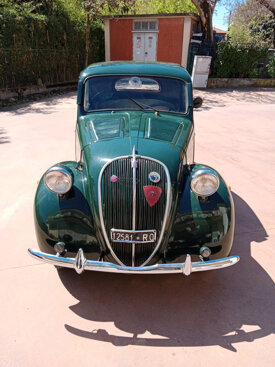
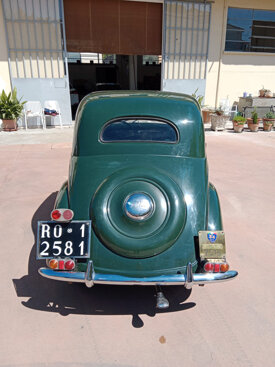
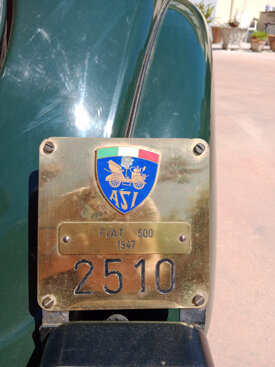
On June 15, 1936, the Fiat 500 (renamed "500 A", progenitor of the "500 B" and "500 C") was put on sale, since its appearance it was also popularly called the "Topolino". It was a modest car in terms of technique and performance, the price of which was 8,900 lire, well over the estimated 5,000 lire and about twenty times the average salary of a skilled worker. In the same period, in Germany, Porsche had already built the definitive prototypes of the "Beetle", put on "pre-sale" at 990 Marks, five times the salary of a skilled worker.
Fiat 503 Torpedo del 1926
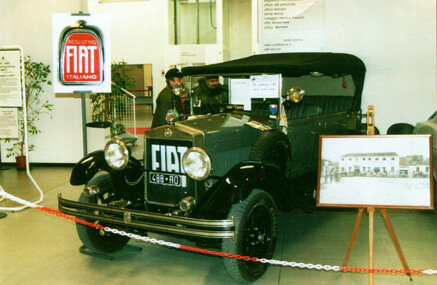
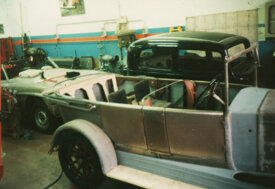
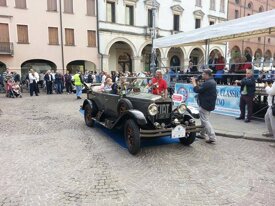
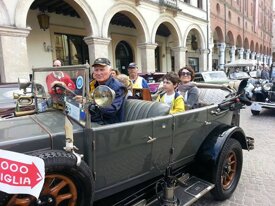
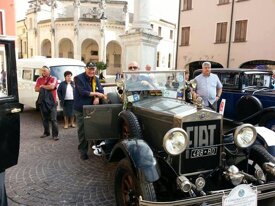
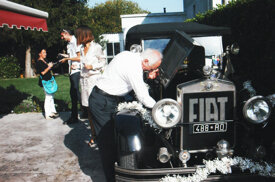
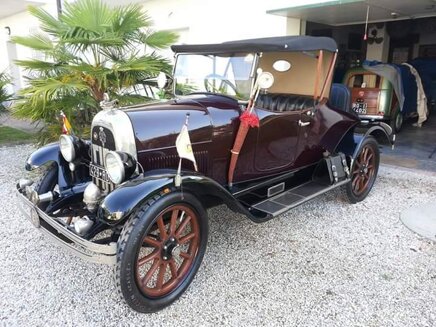
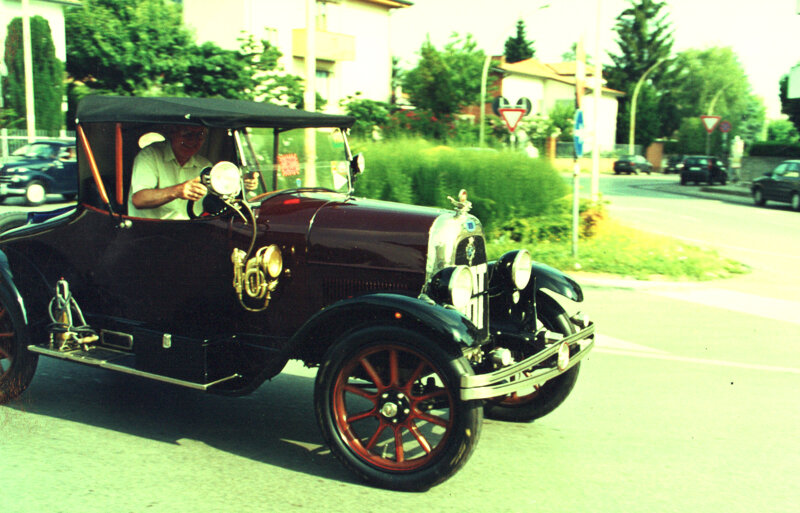
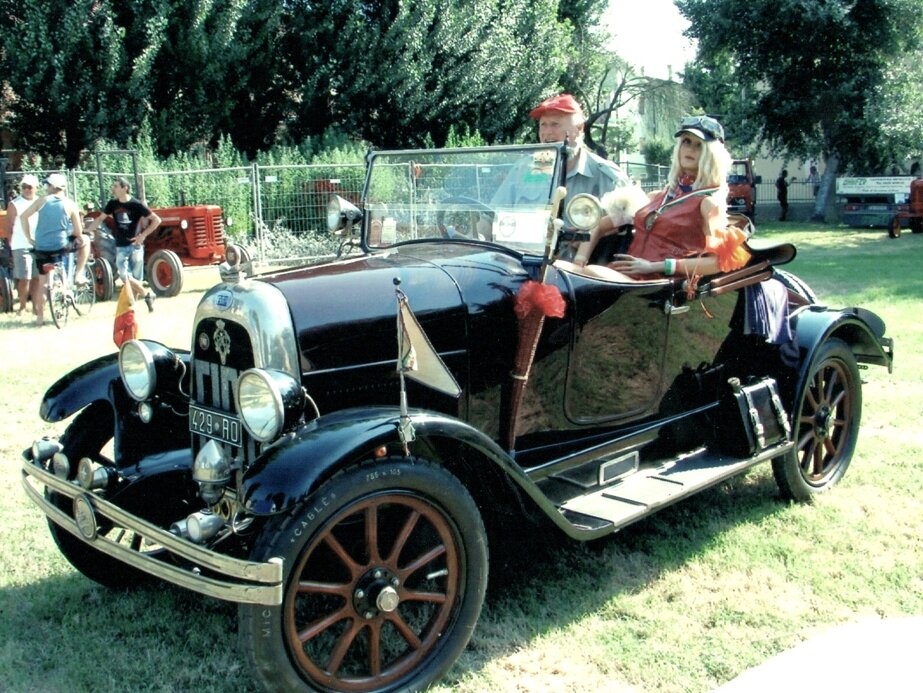
In 1997 Francesco completed the restoration of a 1926 Fiat 503 Torpedo. It was the most demanding restoration, as for the 1919 Fiat 501 spider. They were handcrafted cars with many wooden parts and hard-to-find spare parts. Francesco took several years, but his contacts around Italy and his perseverance in research, made sure that in 1997 the restoration was finally completed.
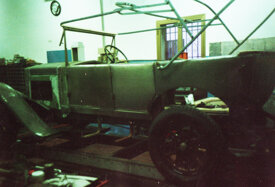
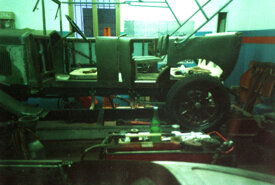
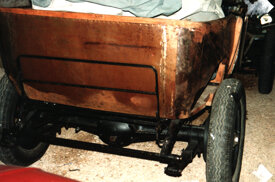
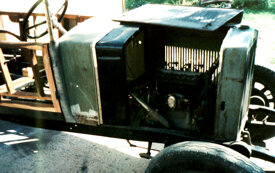
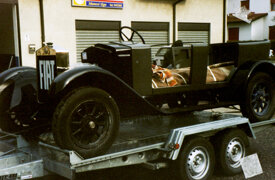
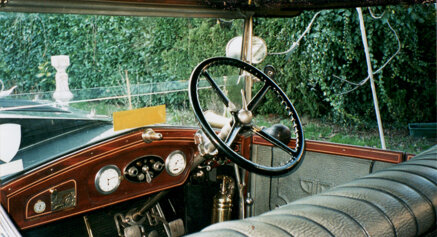
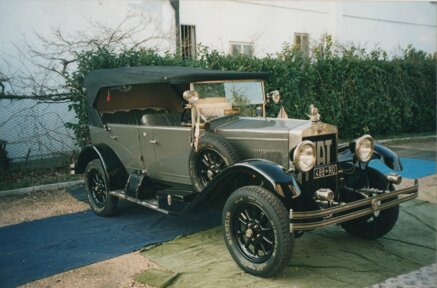
The Fiat 503 was based on the same mechanics as the Fiat 501 and the Fiat 502, but had a longer chassis and a more powerful engine, more precisely 27 hp (at 3000 rpm). The displacement remained the same as the models that inspired it, i.e. 1460 cm³, and the engine had four cylinders. The gearbox was a manual four-speed. Unlike the previous models, the brakes were on the four wheels. The ignition system was magneto, it had four seats and reached a maximum speed of 72.5 km/h. It was rear-wheel drive. Although produced in just two years, 42,421 units of the "503" were built, in the different sedan, limousine and cabriolet versions.
Fiat 501 Spider
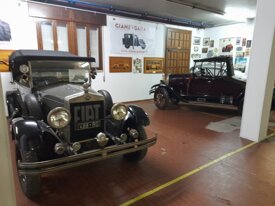
In 1999, Francesco encountered a fiat 501 spider on his way, which over the years had been transformed into a sheller (as often happened after the war. The restoration was the most demanding of all, as it was necessary to rebuild the rear part of the car , and these cars needed good sheet metal beaters and carpenters.
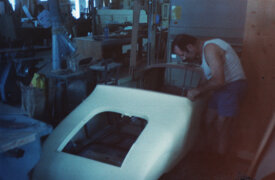
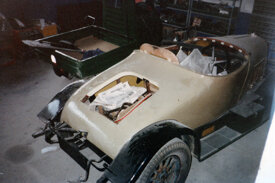
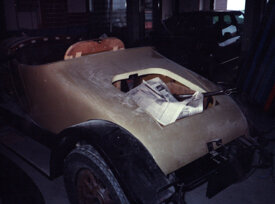
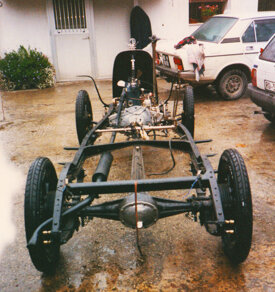
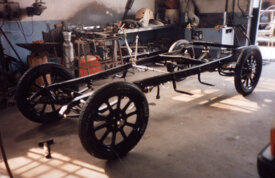
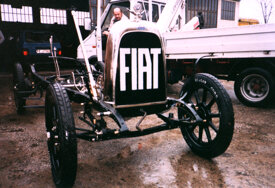
The Fiat 501 is a car produced by the Italian car manufacturer FIAT between 1919 and 1926. This car was designed at the end of the First World War by the lawyer Carlo Cavalli and went into production in mid-1919 to replace the Fiat 70. The The commercial launch of the new 501 dates back to November 1919, exclusively in the 4-door torpedo version and at a list price of 32,000 lire. The engine was a 1460 cm3 4-cylinder with a power of 23 HP at 2600 rpm. The maximum speed was 70 km/h. Another 2,614 examples were equipped with the 101 S engine which had 3.5 HP more and reached 3,000 rpm. The post-war conversion was difficult and the industries were struggling to recover. In this context, the American Henry Ford planned the conquest of the trans-Atlantic car market by focusing on his "T" model. This car is of particular importance because it was Fiat's response to the American Ford's attempt to invade the European market. In total almost 70,000 were produced, in several versions: 501 Saloon, 501 Torpedo, 501 Torpedo Sport, 501 S Corsa and 501 Cabriolet. Only very few examples of the Cabriolet version were built.
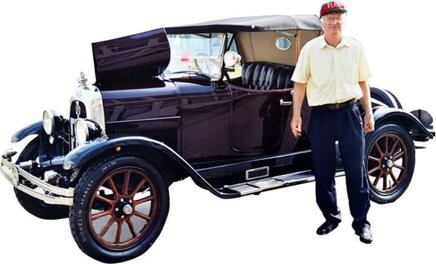
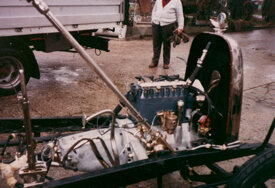
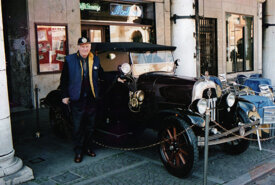
The 501 was the first FIAT designed after the Great War and represents the first step towards the utility car. Created to meet the needs of the average family, the 501 was economical, robust and easy to maintain. Thanks also to the variety of bodies offered (torpedo, spider, landaulet, limousine, sedan, cabriolet, taxi, torpedo sport) it was also quite successful international.
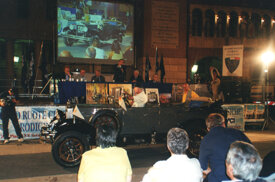
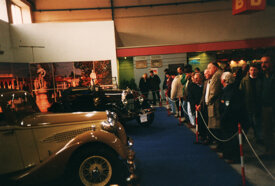
Exhibition at the Padua Fair.
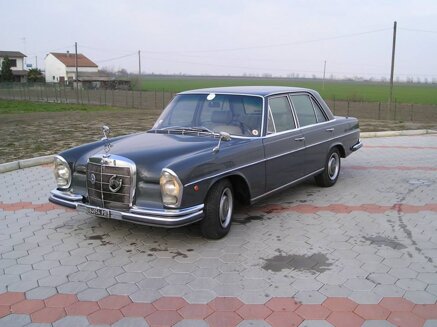
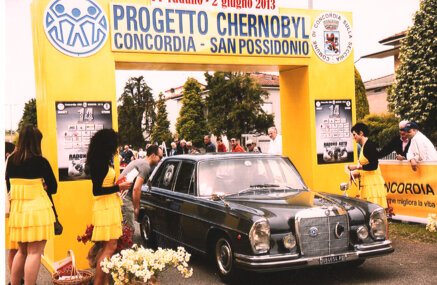
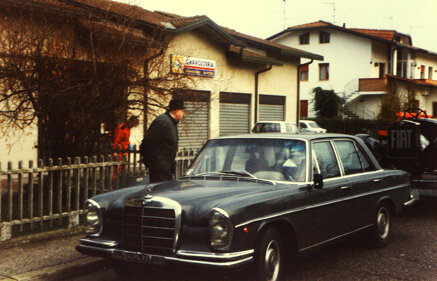
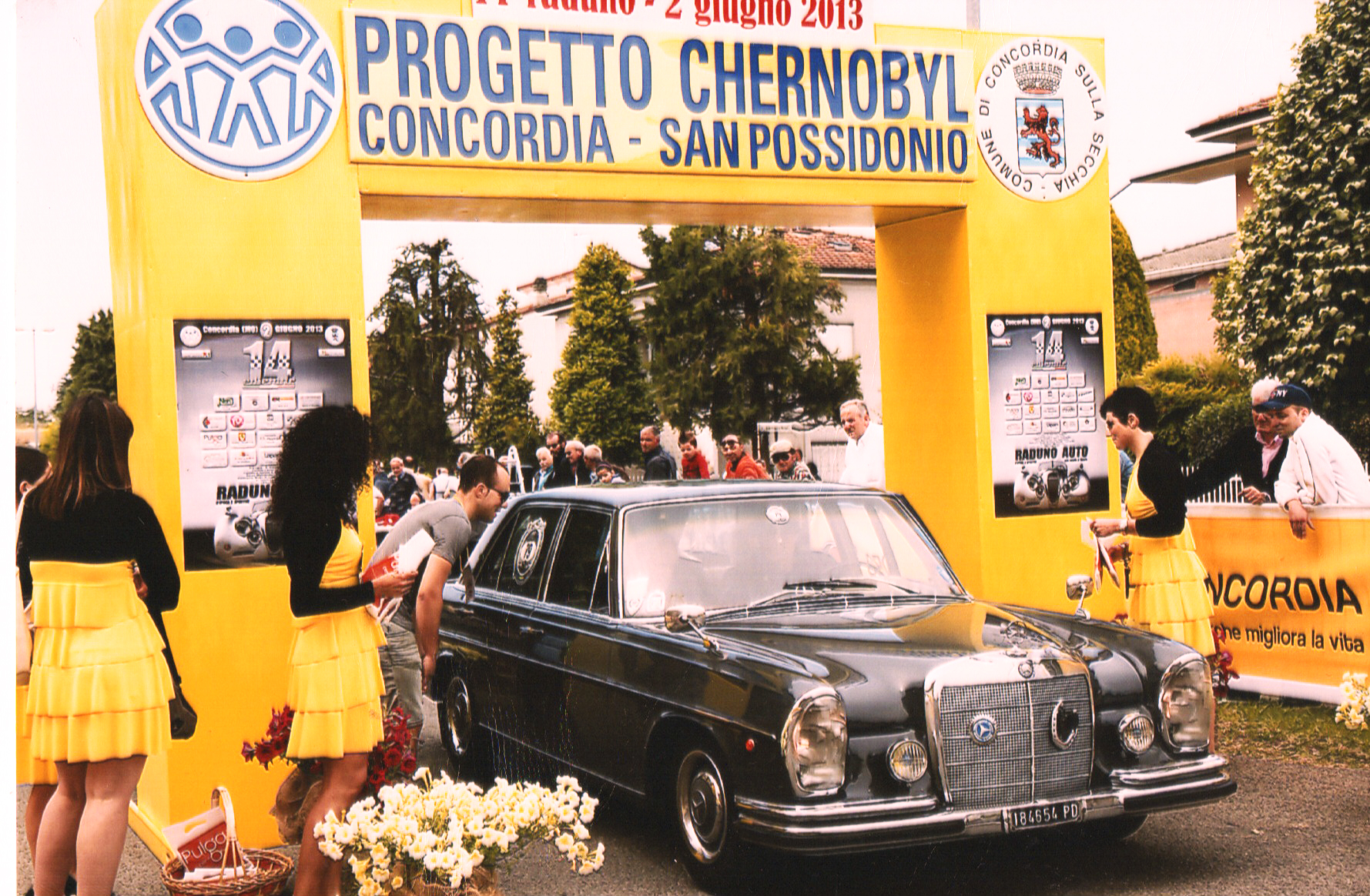
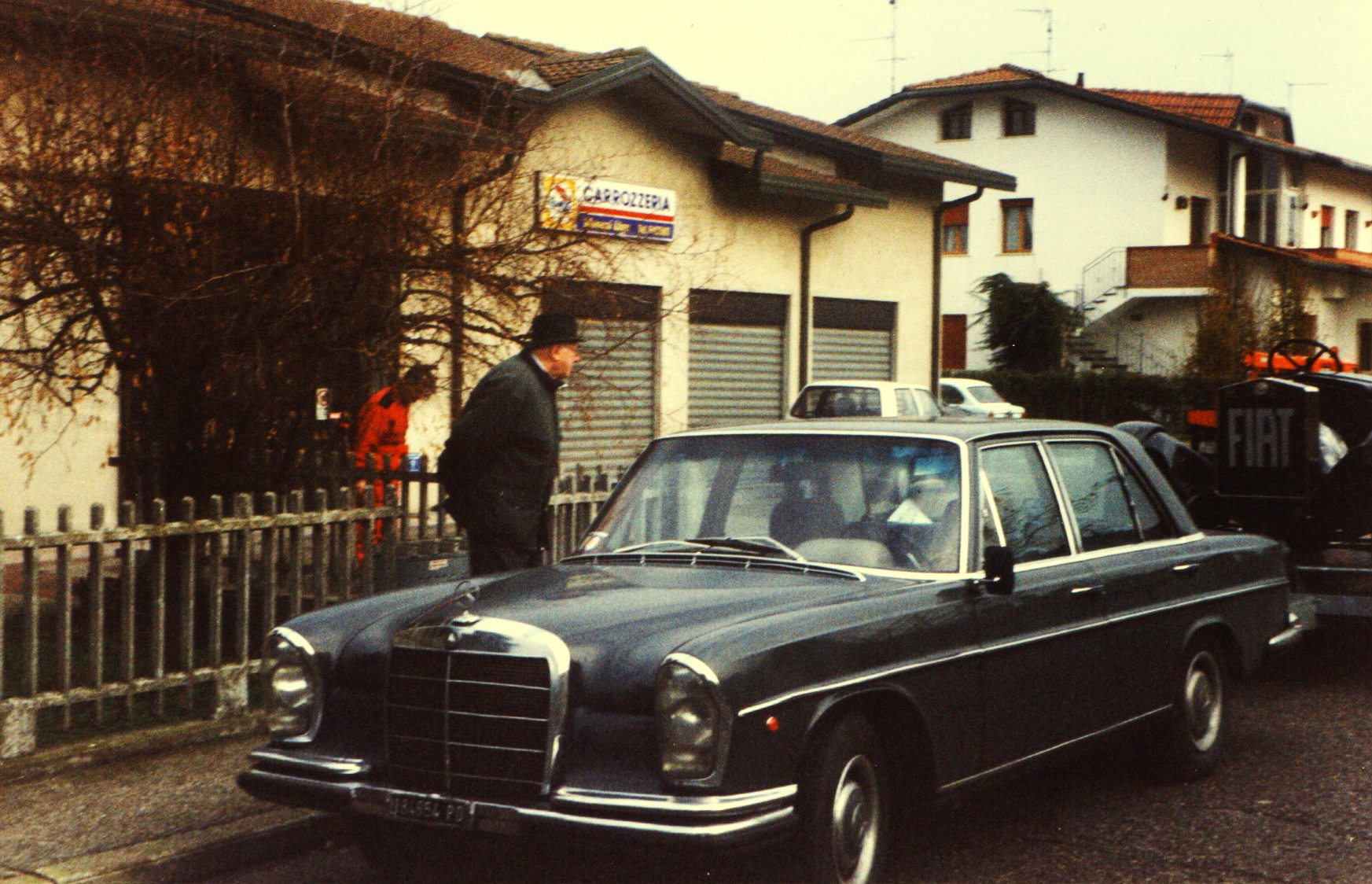
Mercedes Benz 250 SE del 1967
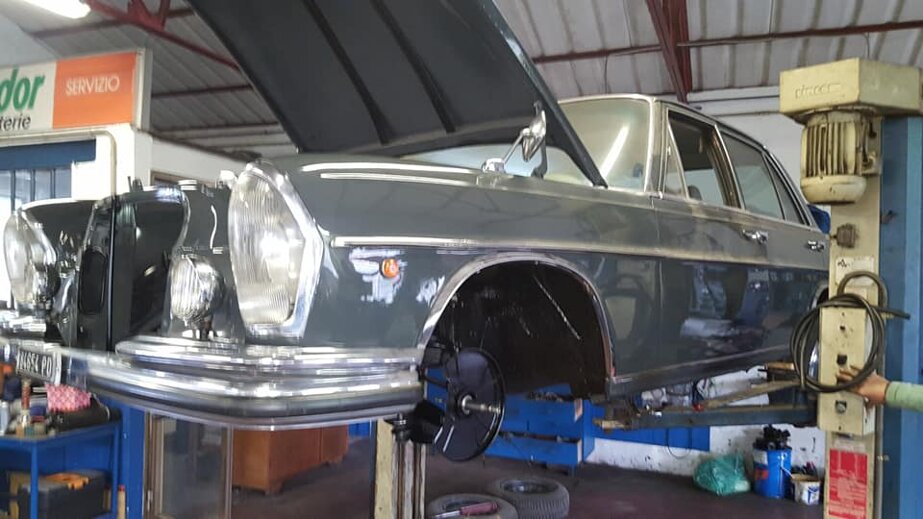
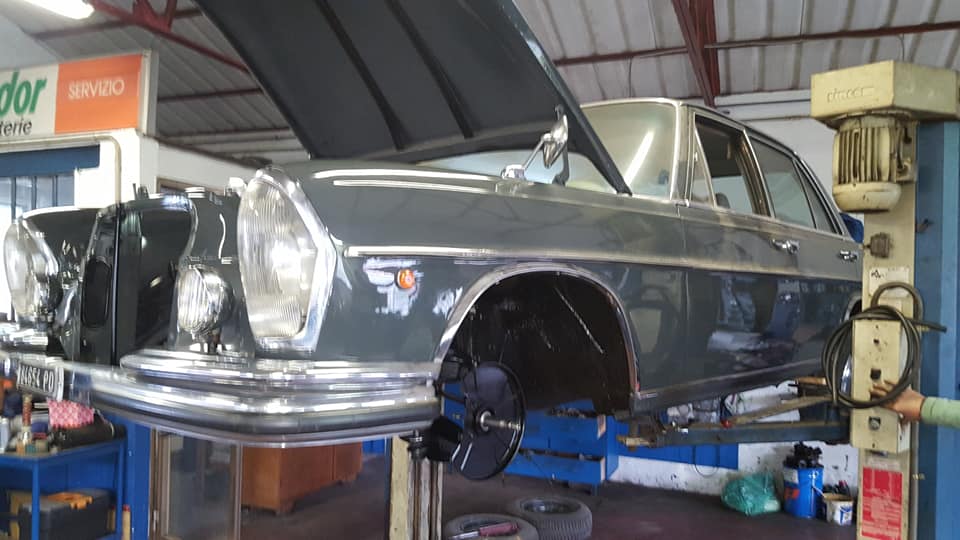
In 2001 Francesco bought a 1967 Mercedes 250 SE from his friend Gianni Pavanello which from that day on became his everyday car. A few months ago we started restoring this car which certainly deserves to return to its former glory (see the OUR RESTORATIONS section).
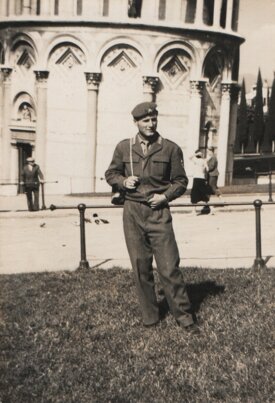
In the 1960s Francesco served as a goalkeeper in the Rovigo and Lendinarese areas as well as in his Costa di Rovigo, his beloved birthplace. Born in 1938, he carried out his military service in the Para' dell Folgore in Pisa. Another passion of his to which he remained linked through the National Parachute Association.
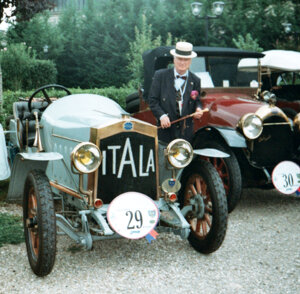
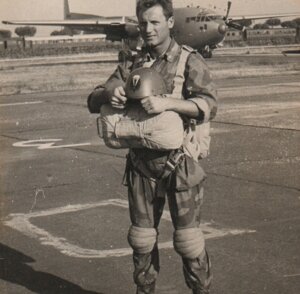
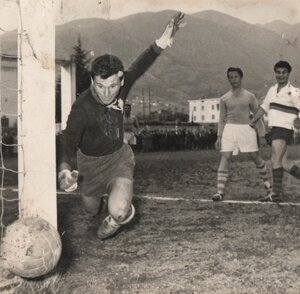
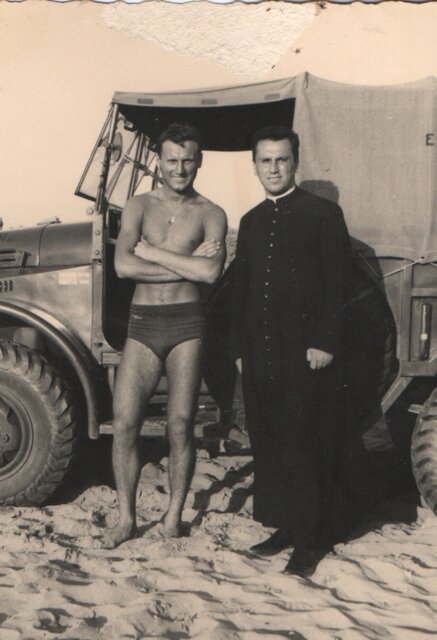
Francesco, during his military service, receives a visit from his older brother Don Angelo who always followed his adventures first as a footballer and then as a passionate collector of vintage cars.
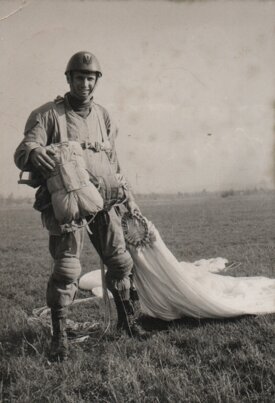
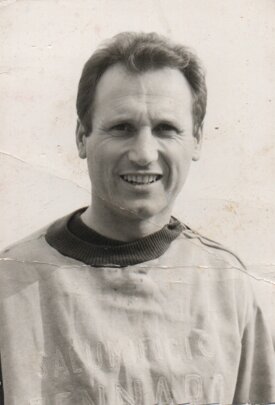
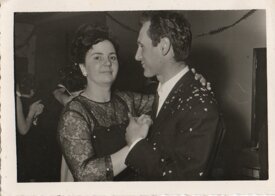
Francis and Our Mother Silvana
Francesco was goalkeeper in Lendinara Calcio from 1960 to 1964. It was in Lendinara that he met our Mother Silvana.
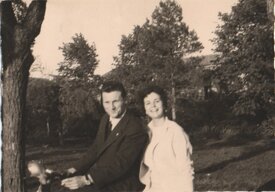
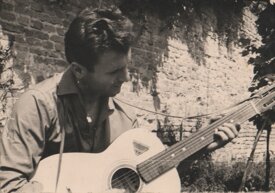
In those years, to reach Lendinara for football training and to meet with his girlfriend Silvana, Francesco used a 125-year-old Vespa.
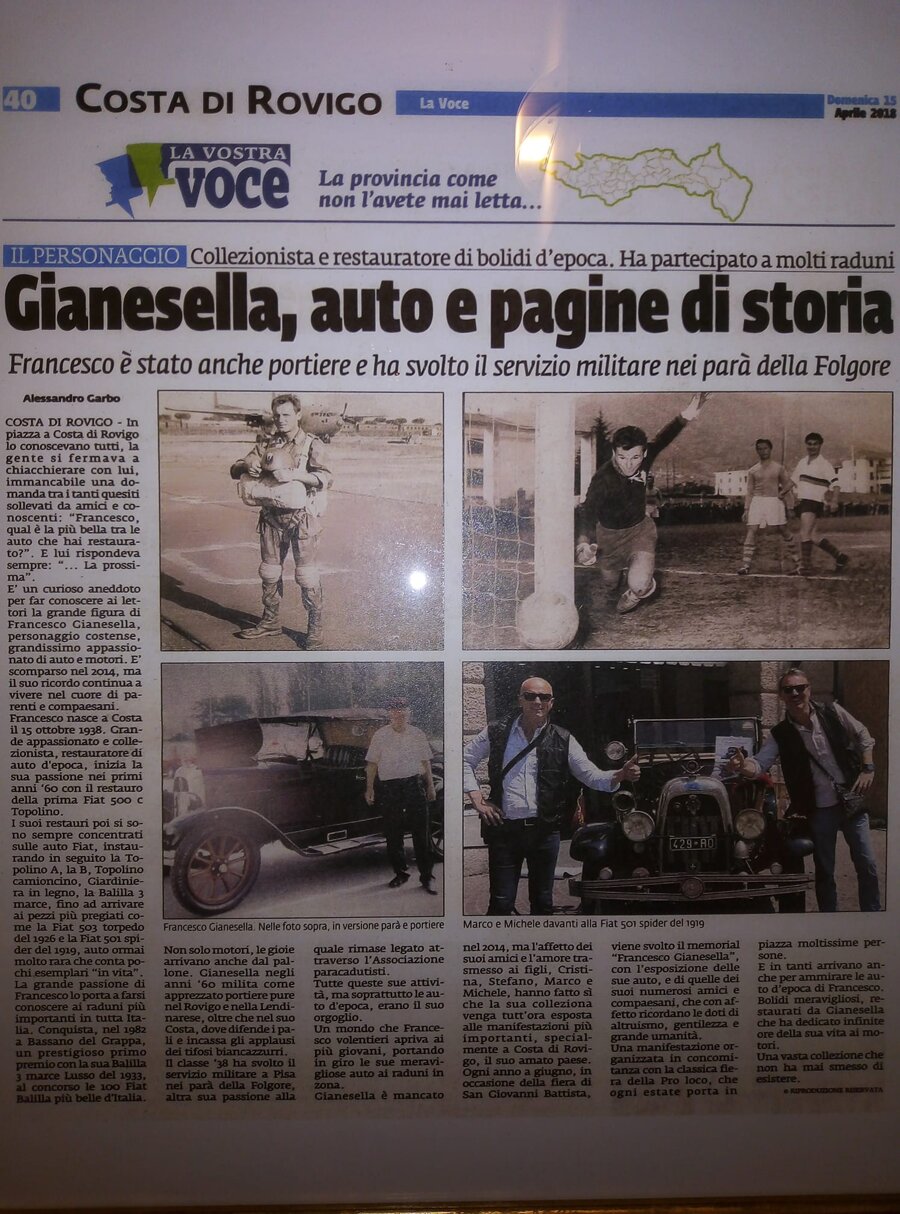
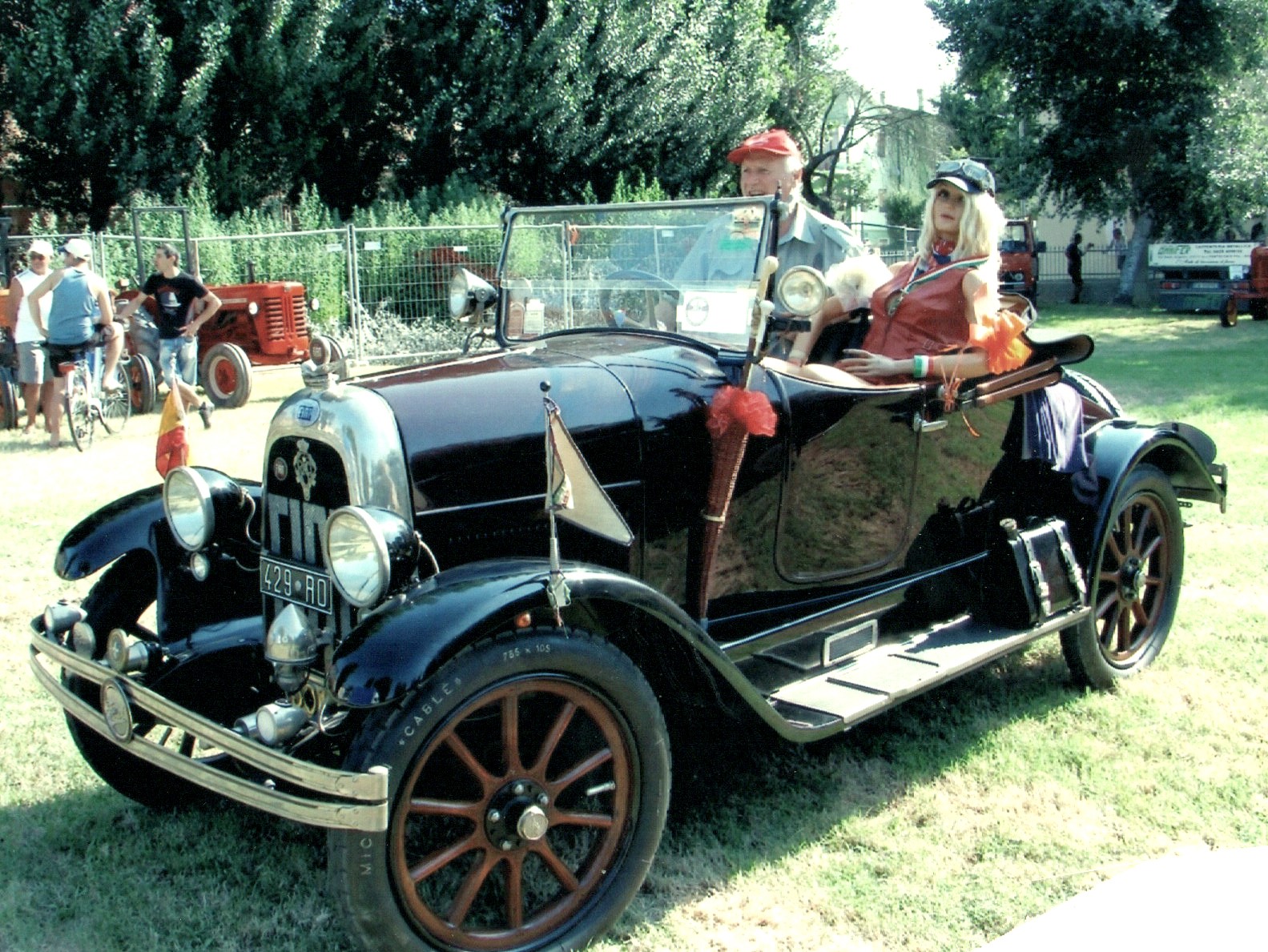
We like to remember that when Francesco stopped with his car in a square or at a meeting, people stopped to chat with him to ask him questions about his cars or to listen to his stories, one question among the many questions raised by friends and acquaintances : " Francesco, which is the most beautiful of all the cars you have restored ? and he always answered........NEXT!!
© Giane's Garage - Tutti i diritti riservati 2023